

Eastham Ferry
From River Crossing to Pleasure Gardens
🟨 Introduction
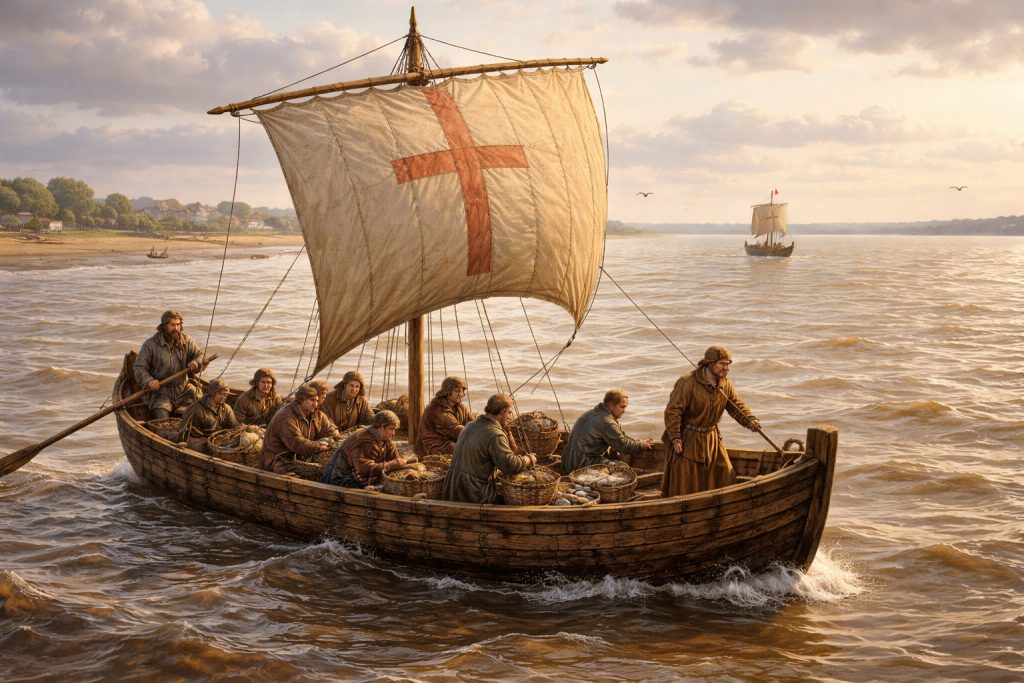
For over six centuries, Eastham Ferry has been a gateway across the River Mersey. From medieval ferry rights and small sailing boats to steam-powered vessels and the famous Victorian Pleasure Gardens, Eastham has evolved from a simple crossing point into one of the region’s most popular destinations.
⛵ Early Ferry Crossings
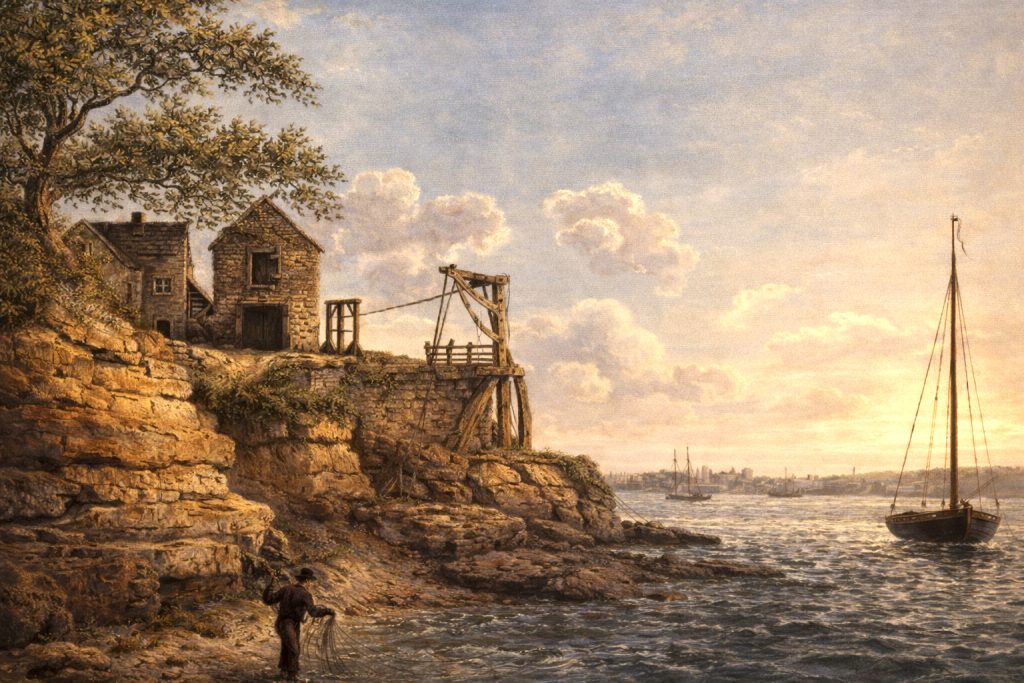
Long before steam power, Eastham was already an established crossing point.
- 1357 – A licence to operate a ferry is recorded
- 1538 – Lease describes ferry boats, landings and buildings
- 1700s – Regular crossings recorded by travellers
These early ferries were dependent on tide and weather, yet they formed a vital link between Cheshire and Liverpool.
🚢 1816 – The Steam Revolution
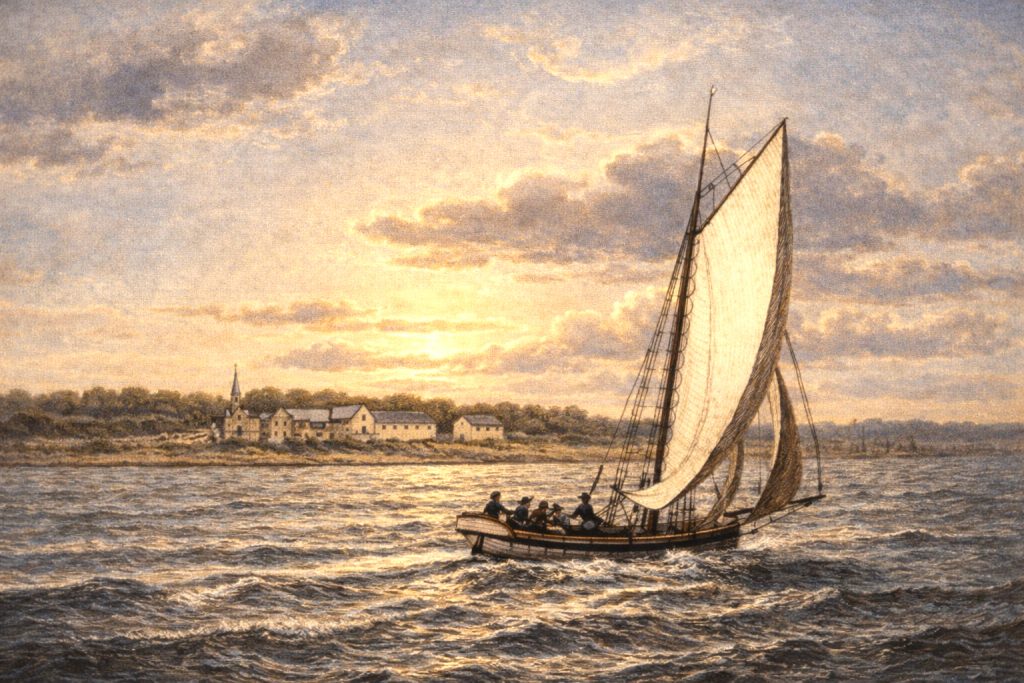
In 1816, Eastham entered a new era.
Samuel Smith launched the Princess Charlotte, the first steam-powered ferry on the Mersey — a development that transformed travel.
- Regular, timetabled crossings
- Increased passenger capacity
- Greater reliability
👉 Eastham became a key transport hub.
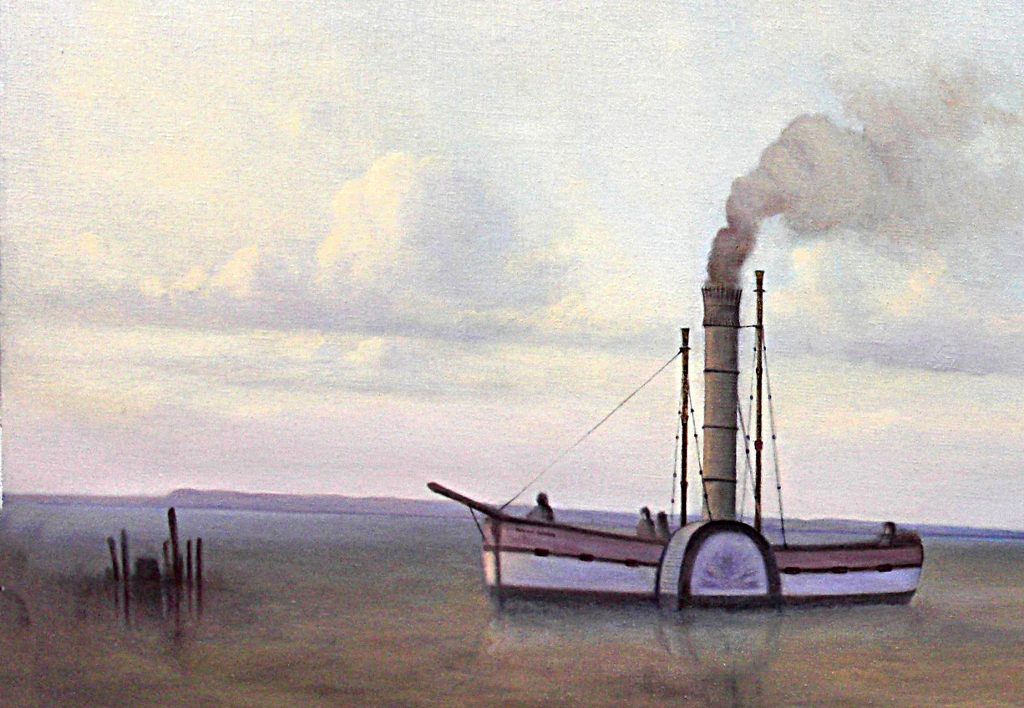
📰 A Journey in 1818
“The passenger… remarks that entertainment was provided by a Welsh harpist.”
Even in its early years, the ferry was more than just transport — it was an experience.
🏨 The Ferry Hotel & Growing Popularity
By the early 19th century, Eastham was becoming a destination.
- 1821 – Visitors offered meals, accommodation and scenery
- 1843 – Eastham Ferry Hotel (Stanley Arms) constructed
The ferry was no longer just a crossing — it was the gateway to leisure.
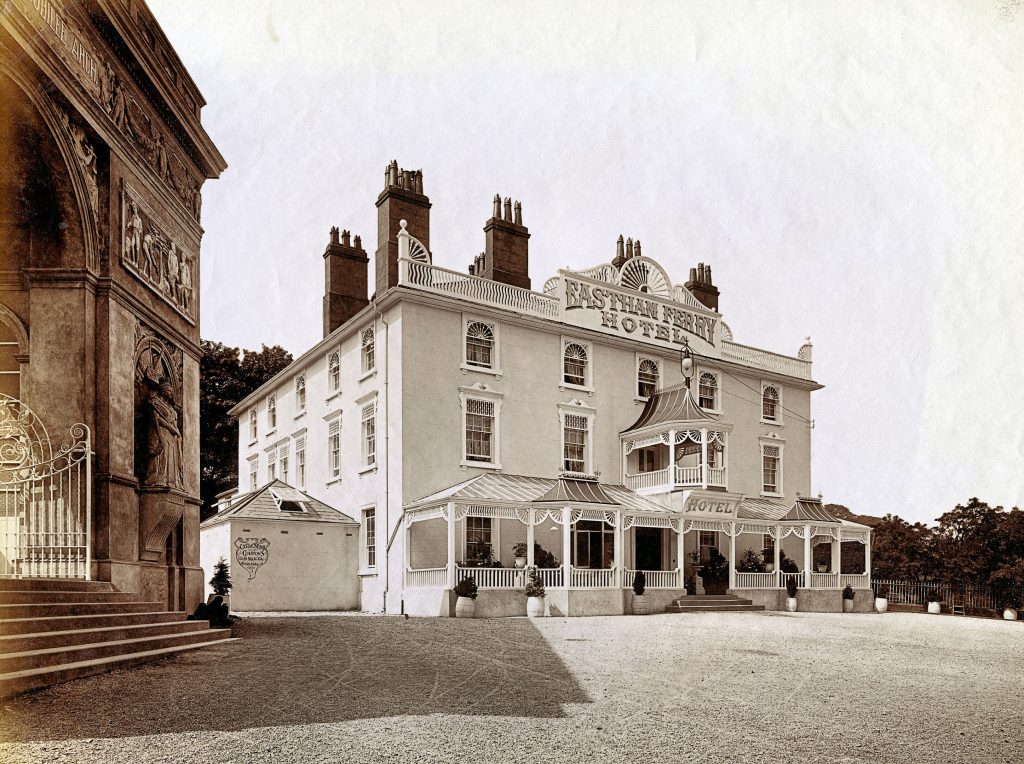
🎡 Pleasure Gardens & Entertainment
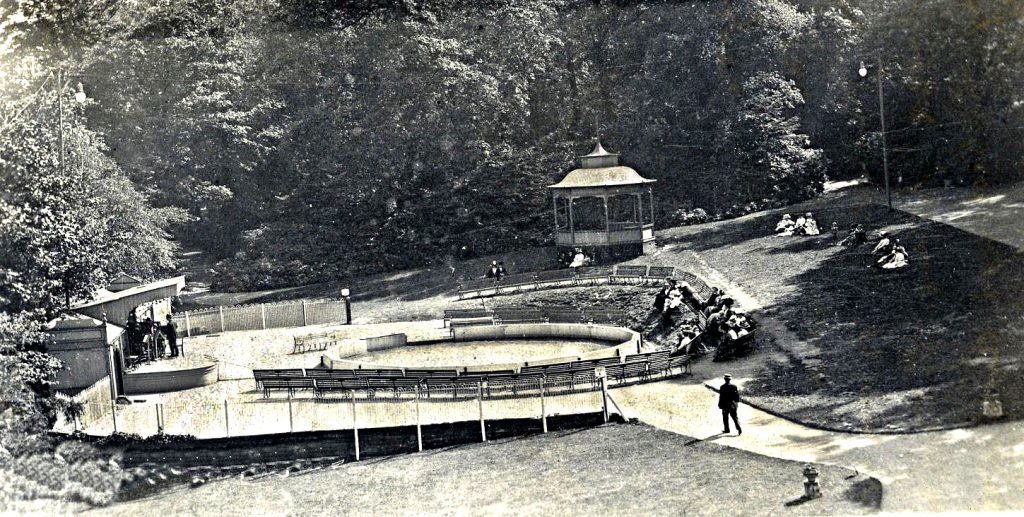
In the 1840s, Eastham developed into a full leisure resort.
Visitors could enjoy:
- landscaped gardens
- music and concerts
- refreshment rooms
- bowling, skittles and walks
👉 Eastham became known as “The Richmond of the Mersey”
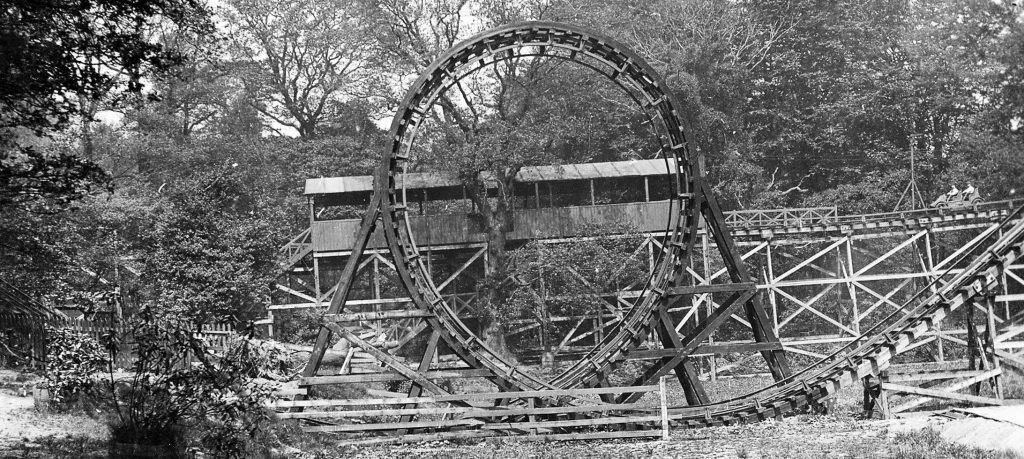
🐒 The Zoo & Attractions
Later developments added further attractions:
- Zoological Gardens
- Regattas and excursions
- Early amusement rides
By the late 19th century, Eastham was a major entertainment destination.
🚤 Life at the Ferry
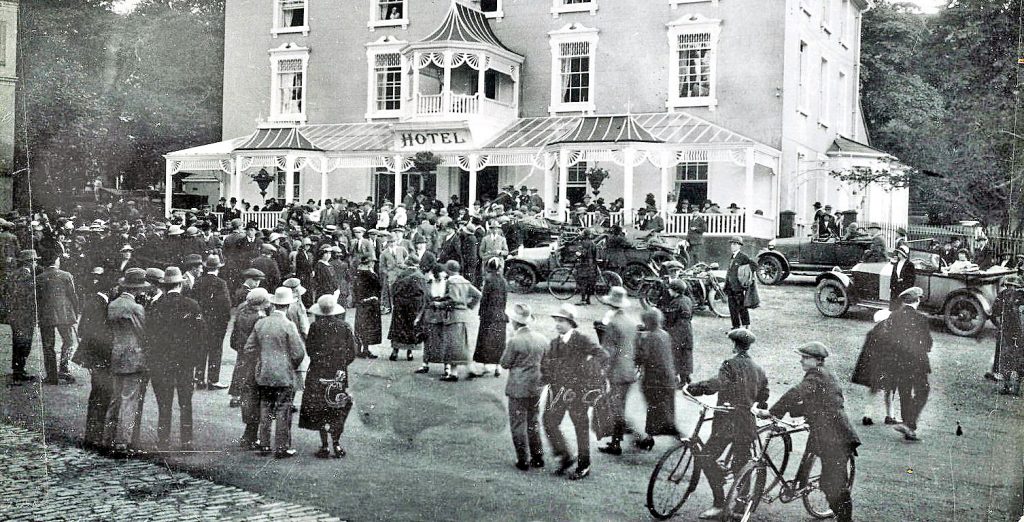
At its height, the ferry carried thousands of visitors.
- 1866 – 30,000 visitors recorded
- busy embarkation and disembarkation
- lively, sometimes chaotic atmosphere
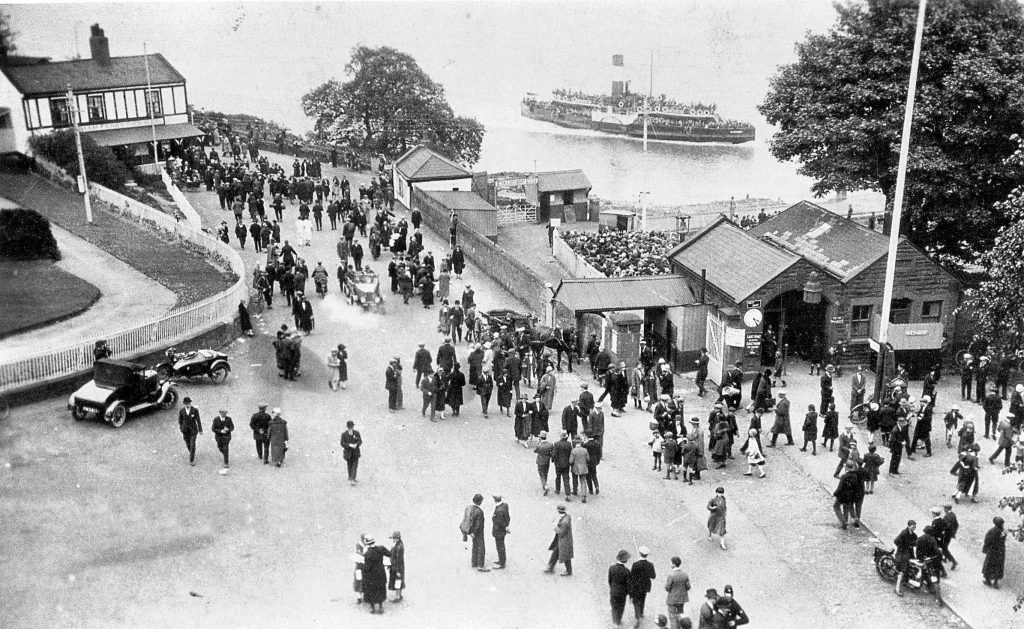
📰 Good Friday at Eastham – 1864
“Three thousand… wedged in one mass… kicking, striking, shawl stealing… a real Hades…”
A vivid account of overcrowding and disorder shows just how popular — and overwhelming — Eastham could become.
⚓ Decline of the Ferry
The 20th century brought change:
- 1917 – Government control during WWI
- 1929 – Ferry service closes
The golden age of Eastham Ferry had come to an end.
🔥 The End of the Pleasure Gardens
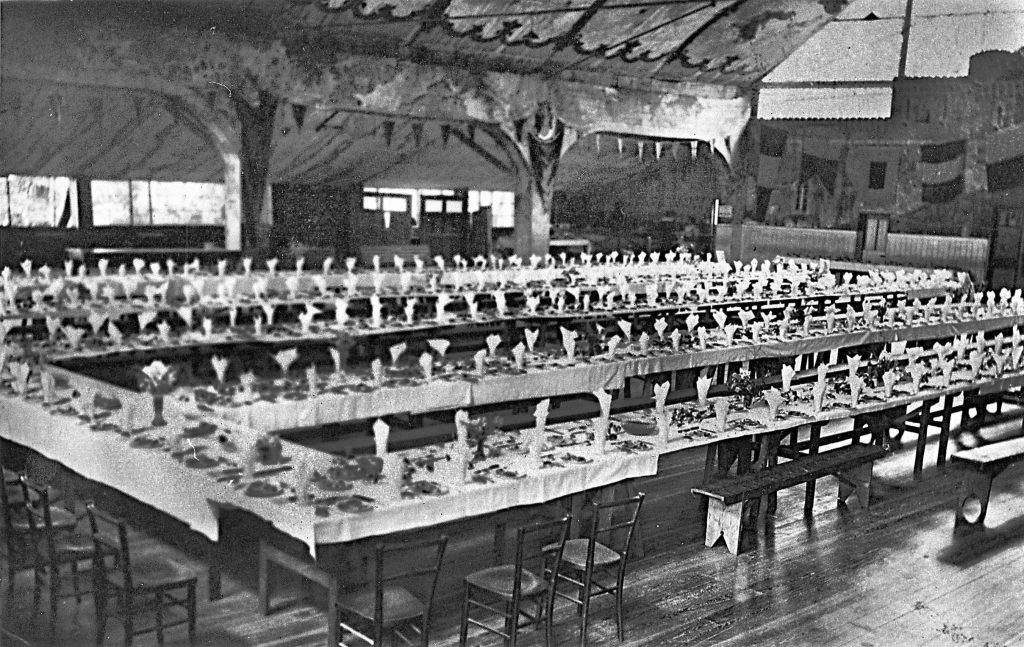
1959
The Eastham Ballroom was destroyed by fire.
👉 This marked the final chapter of the Pleasure Gardens era.
📍 Eastham Ferry Today
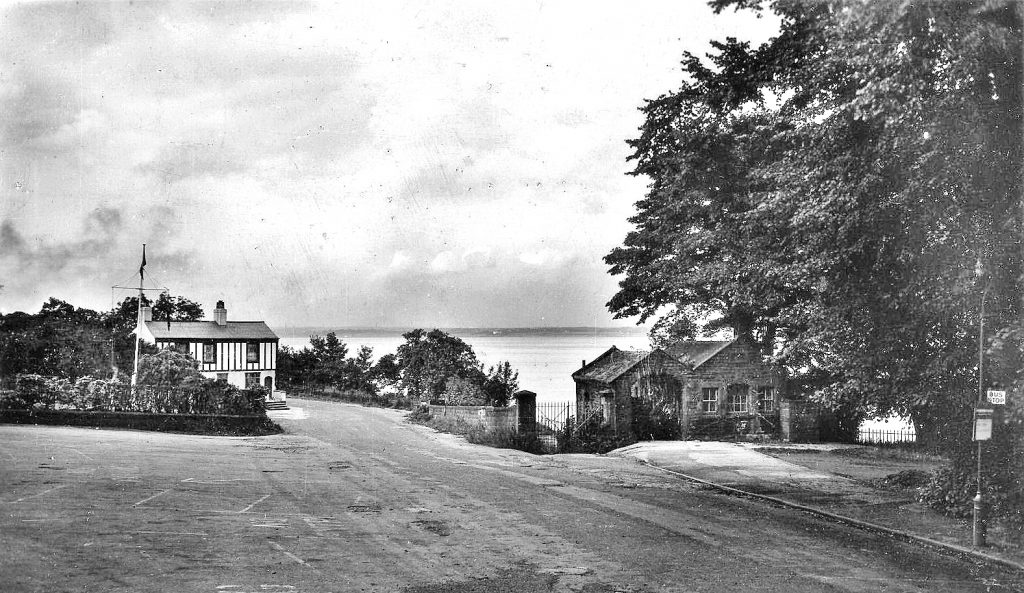
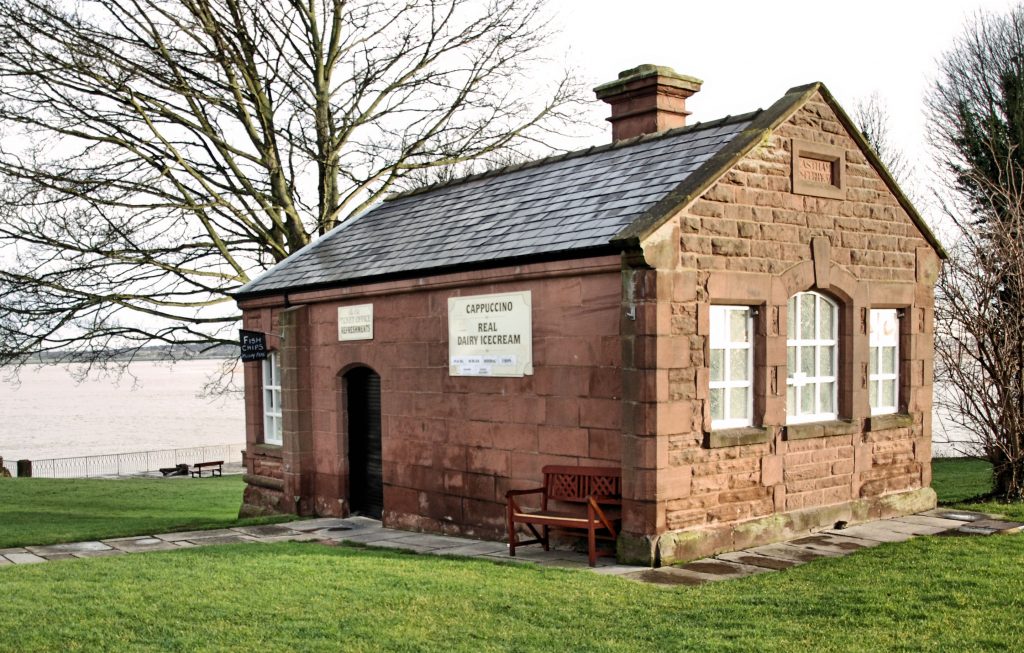
Today, the ferry is gone, but its legacy remains.
- The ticket office survives
- The cobbled slope, although grass covered, is still there.
- The site continues to attract visitors
👉 A place where history is still visible in the landscape.
In-Depth History of Eastham Ferry
For a more in depth look at the long history of Eastham Ferry including sources and notes. You will soon be able to click here