

The Manor of Estham (Eastham)
Medieval Eastham
Introduction
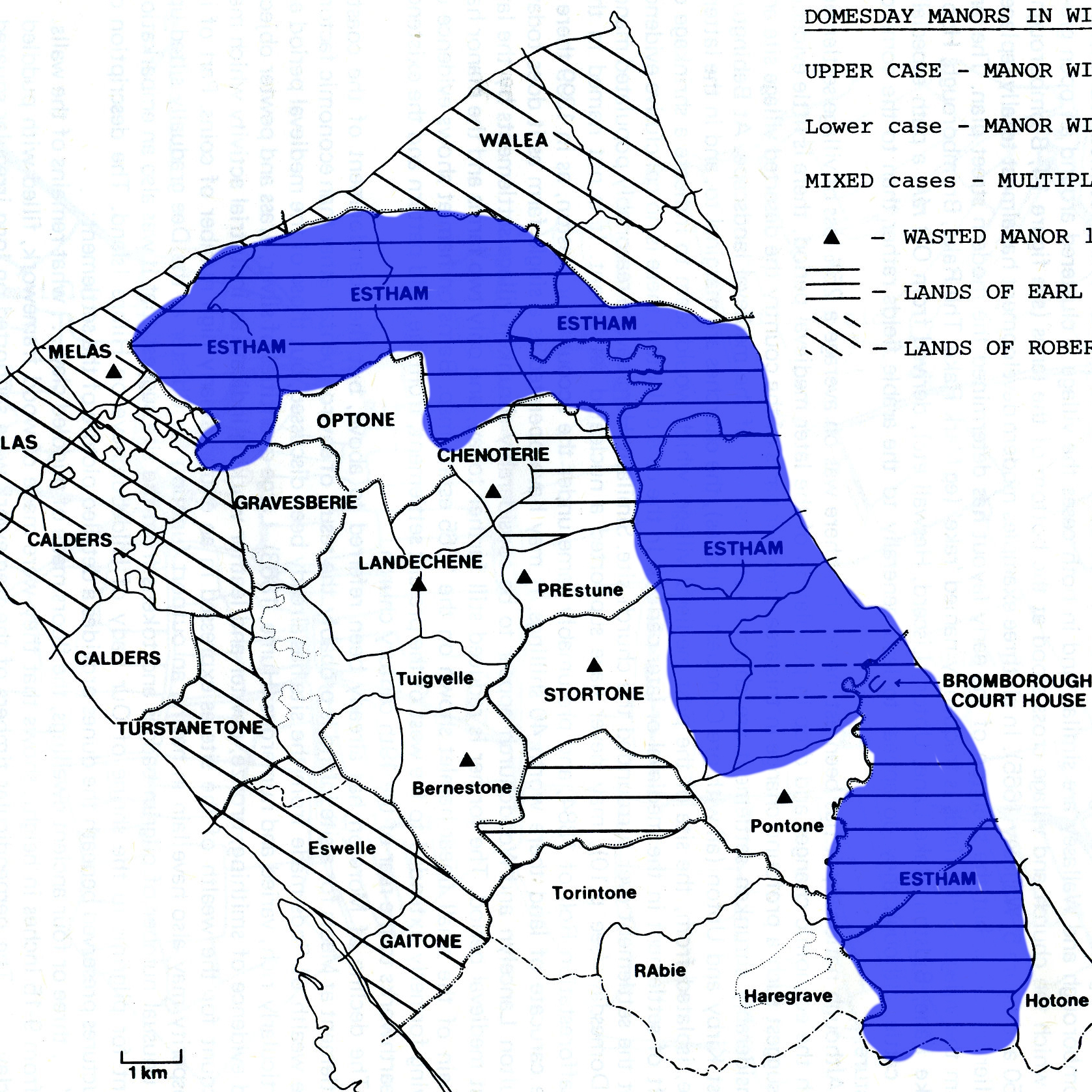
The Domesday entry of 1086 shows Eastham as a thriving Saxon settlement located in the largest Manor in Wirral. It includes a church (priest), mill, and an organised community. It was already an important centre over 900 years ago
📜 Pre-1066
Manor of Estham held by Earl Edwin
Brother-in-law of King Harold Godwinson, defeated at Hastings
⚔️ 1071
Hugh d’Avranches (Hugh Lupus) made 1st Earl of Chester by William the Conqueror
Granted the Manor of Estham as a spoil of war
📖 1086 – Domesday Book
Eastham recorded as Estham
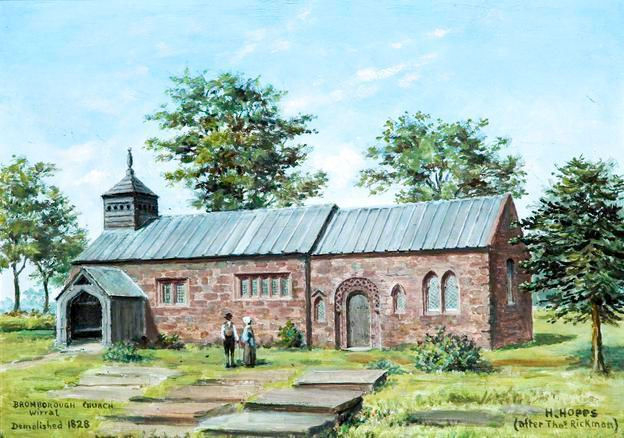
A priest is noted – likely linked to the Saxon church at what would become Bromborough (Brunanburh)
A mill is recorded – almost certainly the watermill on the River Dibbin at Spital Dam today.
⛪ c.1150
Eastham Church built (early St Mary’s)
✝️ 1152
Ranulf de Gernon grants the churches of Eastham and Bromborough to St Werburgh’s Abbey, Chester
Given for the “atonement of his sins” and confirmed by the Pope
🏰 1282
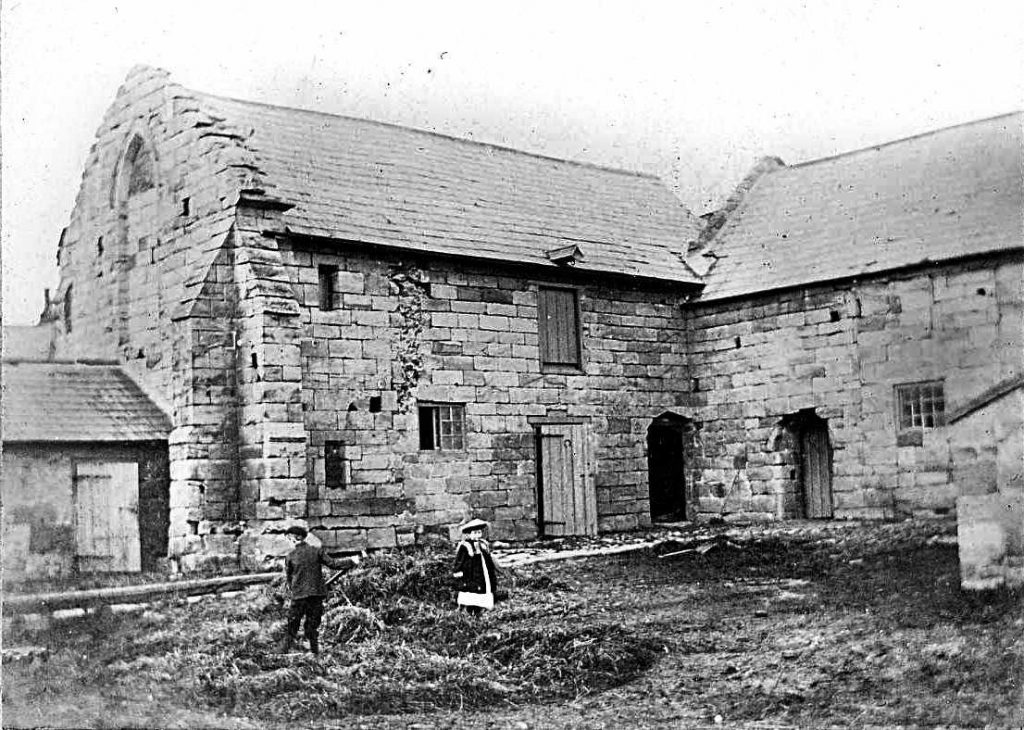
William de Stanleigh marries Joan Bamville of Storeton Hall
Marks the beginning of the Stanley dynasty at Hooton
⛴️ 1358
First recorded ferry at Eastham
Licence granted by Edward of Woodstock, Earl of Chester
🏛️ 1487
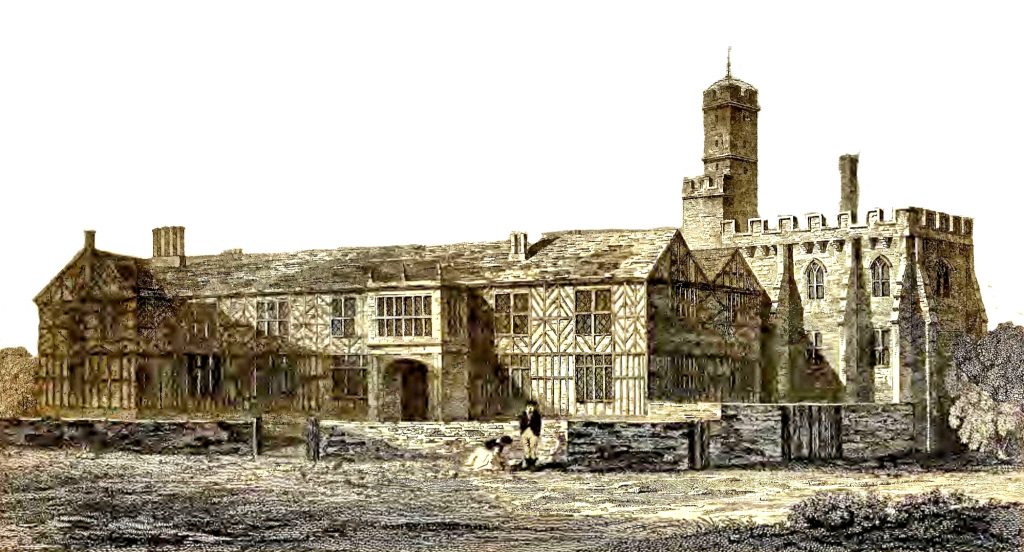
First Hooton Hall built for the Stanley family
They would go on to own all the land in Eastham and much of the Wirral
⭐ Significance
From Saxon manor to Norman lordship
From early church and mill to powerful landowning families
Eastham emerges as a place of continuity, influence, and growing importance on the Wirral